Trending

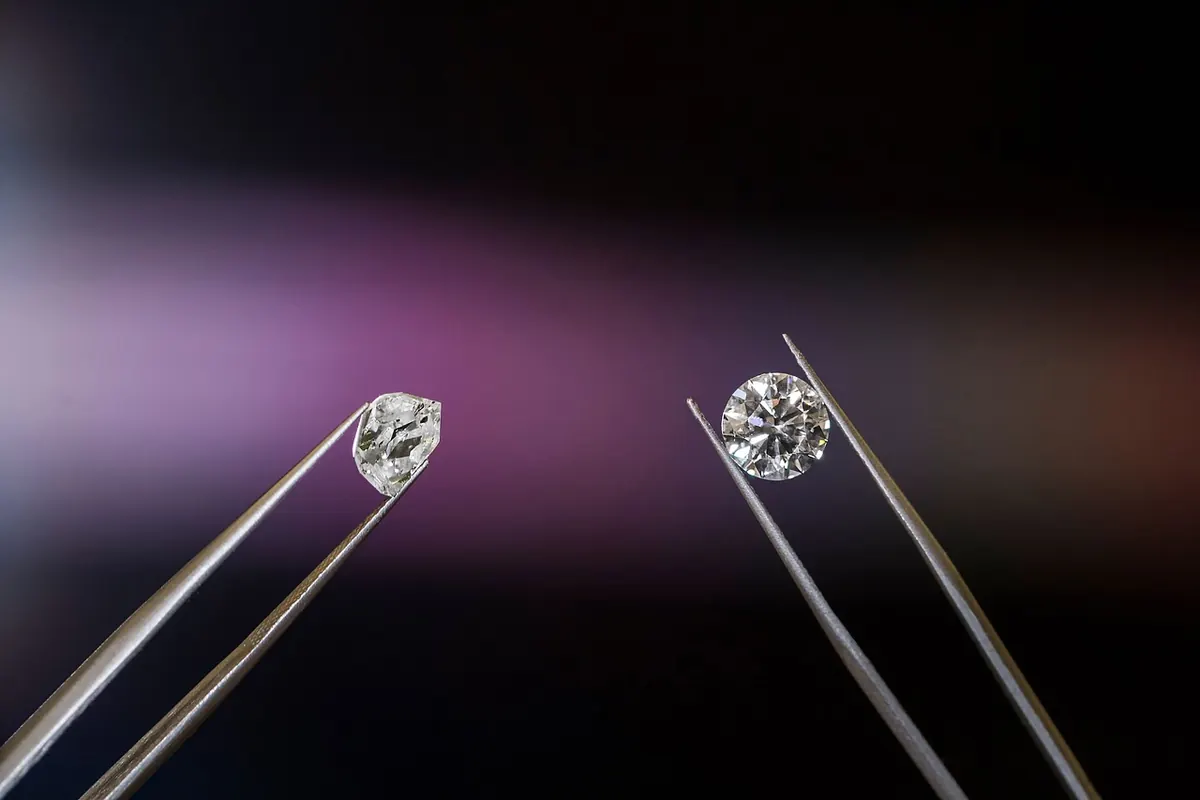
A one-carat diamond with identical colour, clarity and cut can carry two very different price tags depending on a single line on its grading report: whether it was grown in a laboratory or pulled from the ground. Both are sold openly in the UK, often in the same shop, and both are genuine stones. The difference sits in how they were made — and in what you can prove about them years later.
That matters most at the moment of buying, when the numbers are large and the sales patter is confident. Here is what to check before you commit.
The vocabulary in this corner of the trade is loose, and loose language is where mistakes happen. A laboratory-grown stone is a real diamond, sapphire or emerald in the chemical sense: the same crystal structure and hardness, grown in weeks rather than over geological time. A simulant is something else entirely — cubic zirconia or moissanite standing in for a diamond, with different properties and a much lower price.
Ask for the term "laboratory-grown" in writing, alongside the material: laboratory-grown diamond, natural ruby, synthetic sapphire. If a seller dodges the word and offers only "created" or "man-made", keep asking until the answer is clear and printed on the receipt.
Any diamond of real value should come with a grading report from a recognised laboratory. The names you will see most often are GIA, IGI and HRD Antwerp. Closer to home, AnchorCert Gem Lab at the Birmingham Assay Office and Gem-A provide identification and grading services, which are useful if you want a second opinion on a stone you already own.
A diamond report covers the four Cs — carat, colour, clarity, cut — plus any treatments, and it states plainly whether the stone is natural or laboratory-grown. That single line decides almost everything about resale later.
For coloured stones, reports usually confirm identity and disclose treatment rather than grade quality. Heat treatment is routine and widely accepted. Fracture filling, glass filling and dyeing are not, and they affect both value and how carefully the piece needs to be worn and cleaned.
Metal has its own paperwork. A UK hallmark, applied by an assay office, is a legal requirement above certain weights for gold, silver, platinum and palladium. It tells you the metal purity — nothing about the stone.
Two habits are worth keeping. Check the report number yourself on the laboratory's own website rather than trusting a photocopy, and remember that a grading report is an expert opinion on the stone, not a valuation. Insurance needs a separate valuation from a qualified valuer. Where money or legal questions are involved, take independent professional advice.
The Kimberley Process is the best-known scheme in this area. It applies to rough diamonds and exists to keep conflict diamonds out of legitimate trade. It is broad in scope, it does not cover coloured gemstones, and it does not follow a stone through cutting and polishing.
If provenance matters to you, ask for more than a certificate. Which mine or region? Is there a mine-to-market programme behind it? Can the cutter document the stone's journey? Canadian, Botswanan and Australian diamonds are often sold on exactly this basis, and the paperwork should be available before you pay, not after.
For laboratory-grown stones, traceability means something different: which grower, which country the growth took place in, and whether the stone was produced by CVD or HPHT. Some growers publish this information. Many do not. Ask anyway — the answer tells you something about the seller.
Both routes carry an impact, and headline claims on either side deserve scrutiny. A few questions cut through the marketing:
Recycled gold and estate jewellery deserve a mention too. They avoid the question of new mining altogether, and usually cost less than equivalent new pieces.
Natural diamonds typically resell for a fraction of their retail price. The market is thin for small, heavily included or modest-quality stones; larger stones, better colours and fancy colours do comparatively better. Auction houses, trade dealers and online resale platforms are the usual routes.
Laboratory-grown diamonds have a weaker secondhand market, because new ones keep getting cheaper as production scales up. Simulants fare worse still. Fine natural rubies, emeralds and sapphires from recognised origins have long held value; their laboratory-grown counterparts are bought to be worn rather than traded.
None of this makes a laboratory-grown stone a bad buy. It makes it a different kind of buy. If resale is genuinely part of your thinking, be honest about that and choose accordingly. If it is not, stop worrying about it and enjoy the piece.
Two questions settle most of it. Do you want the largest, brightest stone your budget allows, knowing resale will be modest? Laboratory-grown is a sound answer. Do you want rarity, provenance and a market you can sell into later? Natural is the route — and the price reflects that.
Whichever you choose, buy from someone who states clearly what the stone is, hands over the paperwork without being asked, and prices it fairly. A quiet, well-documented purchase beats a persuasive one every time.
Photo: GrownDiamond / Pixabay