Trending

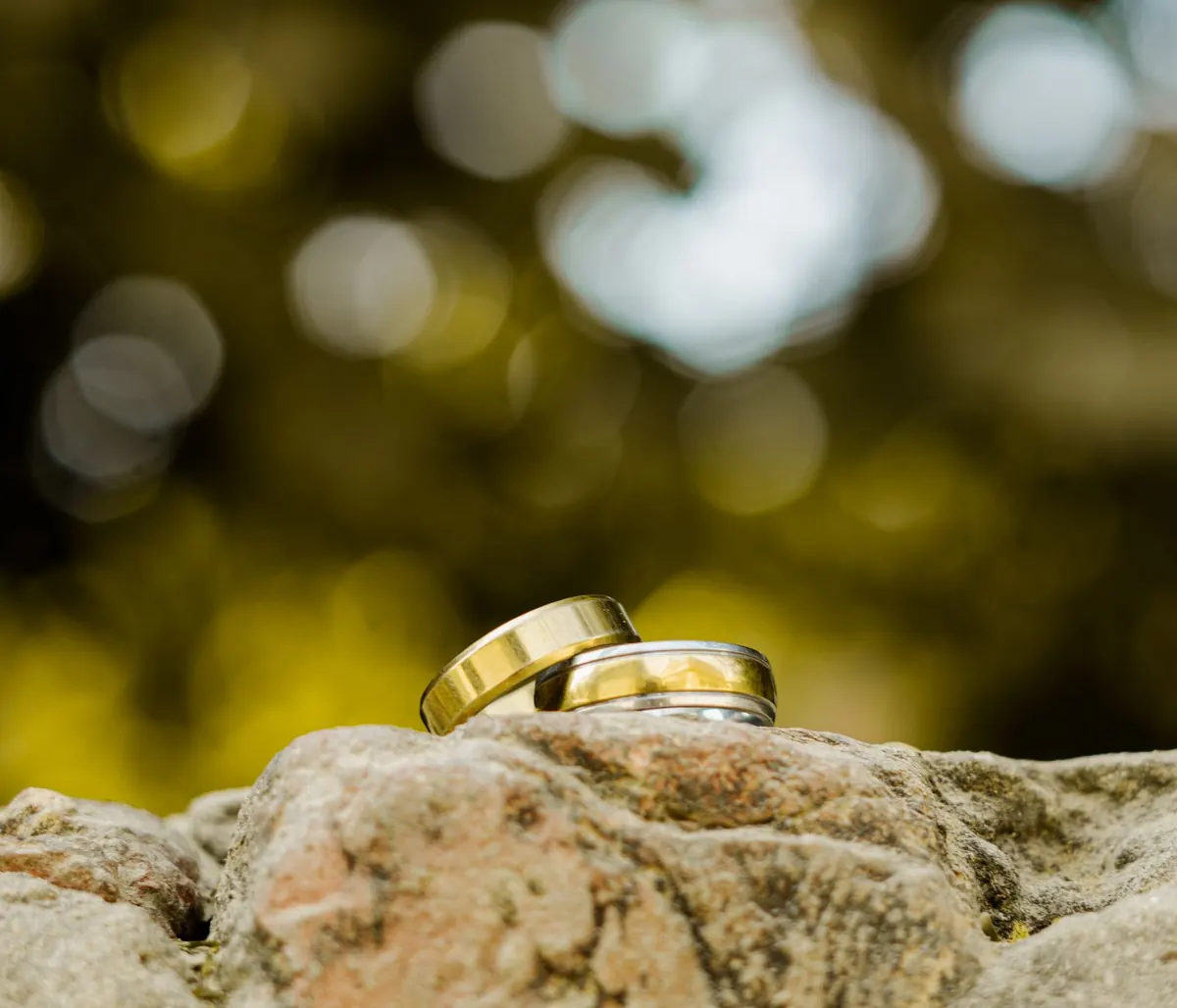
Most people look at a ring or a bracelet and see the metal, the setting, the sparkle. Then there is the small cluster of stamped symbols tucked inside the band, often no bigger than a grain of rice, and almost everyone ignores them. Those tiny marks are the most honest part of the piece. They tell you what the metal actually is, who put it forward for testing, where it was tested and when. Learn to read them and you can buy second-hand gold and silver with far more confidence.
A hallmark is not a brand logo or a decorative flourish. In the UK, it is a legal statement of metal purity, applied by an independent assay office after the item has been tested. Any piece described as gold, silver, platinum or palladium above a set weight must be hallmarked before it can legally be sold as such, with some exemptions for very light items (for gold, items under one gram; for silver, under 7.8 grams).
That last point matters. A hallmark is applied by the assay office, not by the shop or the workshop that made the piece. It is a check on the maker, not a favour to them.
A traditional UK hallmark is a set of separate stamps, each doing a different job.
Alongside these, you may also see a traditional fineness symbol: the lion passant for sterling silver, the orb and cross for Britannia silver, and the crown for gold. The crown was dropped from gold hallmarks in 1975 when carat stamps became standard, so don't be alarmed if a modern gold piece has no crown.
Date letters are the part that trips people up, because there is no universal key. The letter, its font and the shape of the surrounding shield all change from one office and one cycle to the next. A lowercase "b" in one series can mean something completely different from a Gothic "b" in another.
The practical approach is to identify the assay office first, then the font, then look up the combination in a printed hallmark guide or the assay office's own reference tables. Do not rely on a single letter on its own. And be aware that since 1975 the offices have used one shared font for date letters, which makes modern pieces easier to place than Victorian ones.
Plenty of listings describe any stamped initials as a maker's mark. Strictly speaking, that stamp identifies the sponsor who submitted the piece for testing. A retailer can be the sponsor. A manufacturer can be the sponsor. The initials are still useful for identification, but they do not prove who physically made the item.
Items made overseas and sold here are hallmarked in the UK after testing, so they carry the same basic set of marks. You will also come across convention marks, a set of common symbols used across signatory countries, which sometimes appear alongside a fineness figure and a set of scales.
Newer UK hallmarks may include an extra element: the Assay Assure mark, a small shield-shaped stamp used by the assay offices in recent years. It is not a purity statement, and you should not treat it as one. If you are buying something valuable and the marks look unfamiliar, the safest step is to take it to the assay office or a qualified valuer rather than guess.
Whether you are in a charity shop or a jeweller's, these questions will protect you.
Hallmarks confirm the metal, not the gemstones. A genuine 18 carat setting tells you nothing about whether the diamond is what the seller claims, and plenty of fine old pieces carry worn or partly polished-away marks from decades of cleaning. Genuine hallmarks can also be forged, which is exactly why the quality of the stamping and the rest of the piece should support what the marks say.
Your working rule is simple: find the marks, read the fineness, identify the assay office, then check the date letter against that office's own tables. If any of it does not add up, ask. If the seller cannot answer, or the price is high enough to matter, get an independent opinion before you hand over money. Hallmarks will not tell you everything about a piece of jewellery, but they will tell you the one thing a seller cannot easily talk around: what the metal really is.
Photo: Filmy Kashif / Pexels